






The earliest example of fintech arguably dates back to 1866, when the first transatlantic telegraph cable was laid. The word ‘fintech’ was first coined in around 1993, and has someone who has been a fintech copywriter (among other specialisms) since not long after that, I thought I would set out some of the do’s and don’ts involved in effective fintech copywriting.
What makes fintech copywriting different from general financial copywriting?
With regular financial copywriting, you’re usually trying to appeal to a single audience. The saver, the HNW investor, the pension specialist and so on. That’s not the case when it comes to fintech. There’s the operations or compliance specialist who will want to know that it does the necessary tasks. There’s the IT person, who will want to be sure that it dovetails with the company’s systems and will be easy to install, run and maintain. And there’s the commercial person signing off the purchase, who will want to know that it represents value for money. With fintech copywriting, what you write has to appeal to, and be understood by, all of these people.
Writing for compliance and financial crime software (RegTech)
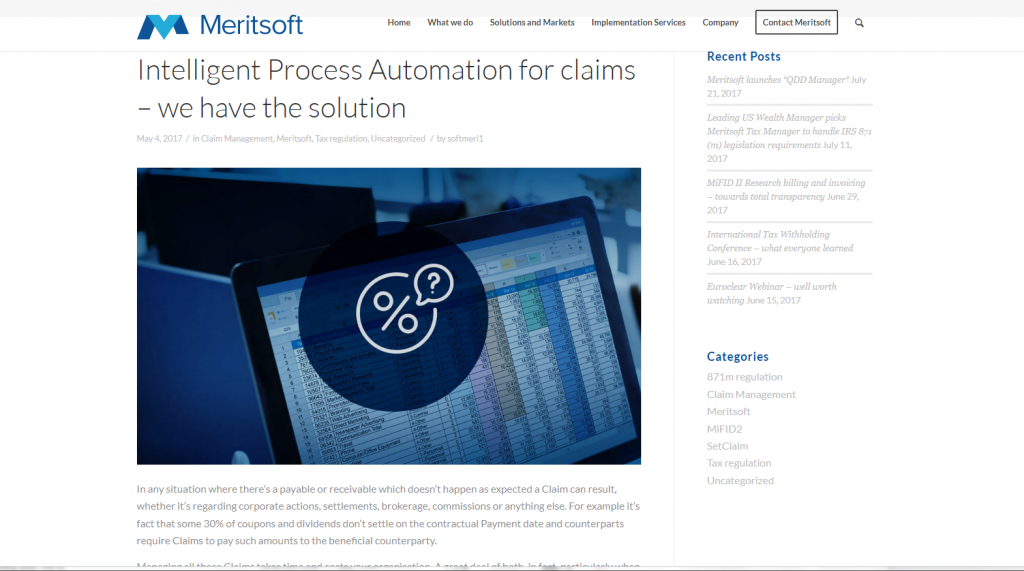
One-fast growing area of fintech is compliance, and the vocabulary that comes with regulatory technology (RegTech) it is mushrooming as well. Anti money laundering (AML), know your customer (KYC), sanctions screening, conduct risk, to name a few – and that’s not to mention the various regulatory bodies and agreements. To be an effective fintech copywriter, you need to know your AIMFD from your MiFID.
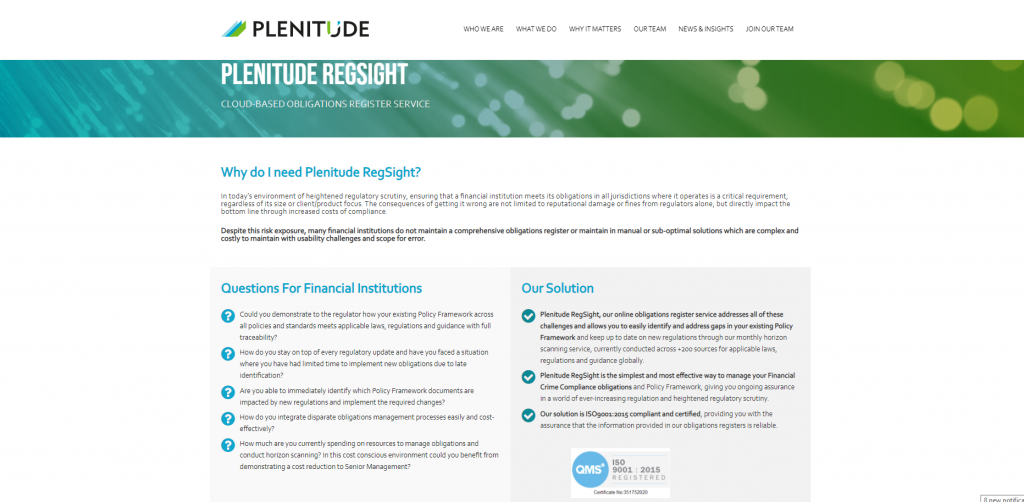
RegTech covers five main categories. These include ID management and client onboarding, transaction monitoring, risk & compliance management, and automated regulatory reporting. With so many new and changing rules, it also embraces horizon scanning and monitoring or developments in regulatory intelligence, such as the Meritsoft example above. These areas frequently overlap – but when writing about particular solutions it’s vital to correctly identify their scope, along with the associated benefits, and to avoid making overclaims.
How do you write about fintech without using jargon?
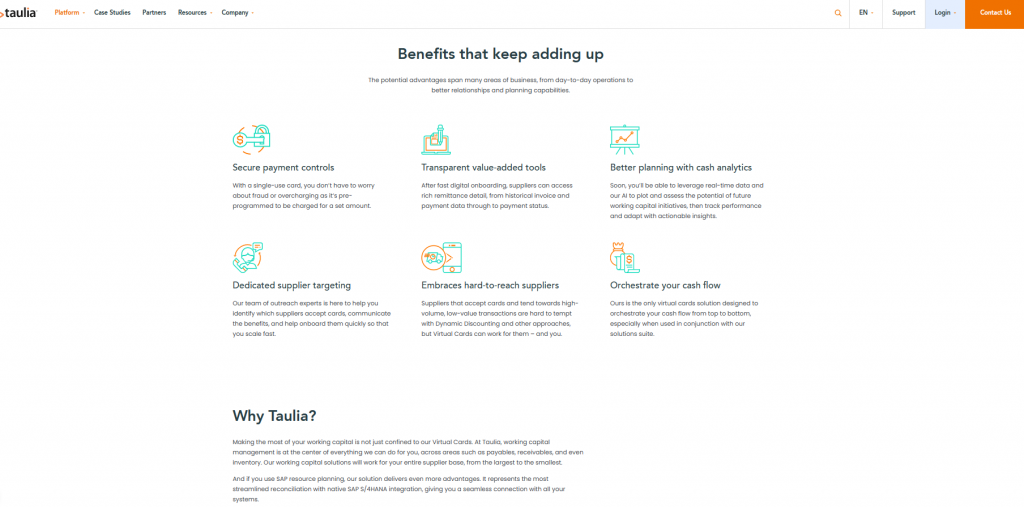
The short answer is that you can’t avoid jargon, not completely. But you have to balance the differing knowledge of your audiences (plural, remember) with the need for clarity. Think of it as being jargon-fluent rather than jargon-reliant. As for acronyms, a good rule of thumb is to always spell them out the first time you use them in a piece, even well-known ones such as the Financial Conduct Authority (FCA). After that, stick to the acronym.
Do not be tempted to use jargon to burnish your credentials, or to obscure elements of what you offer, and don’t overclaim – you will get found out, and sooner rather than later. That last point applies in spades to regulatory claims – if your solution doesn’t do what it’s supposed to then you’re potentially opening yourself up to serious legal issues.
What should fintech website copy actually do?

Writing about fintech solutions on your website is primarily about building trust, so you’ll need to establish your sector credentials quickly. As with all good copywriting, highlighting the benefits is the key. That said, with these kinds of products, there will be a lot of ‘tick box’ features that prospective buyers will expect to see, so make sure they are included somewhere.
Again, don’t overclaim, but don’t oversimplify either. Consider including one or more explainer videos – with simple graphics they’re easy to create. They can do often more to help enquiries and sales than reams of copy.
One of the other advantages of using videos is that they help persuade visitors to spend more time on the page, which is good for search engine optimisation (SEO). Talking of which, SEO is always worth paying attention to – judicious choice and use of the right keyword terms can help make your landing pages more visible.
Remember that you are talking to multiple audiences, and make it clear what you want your visitors to do, whether it’s book a sales call, buy direct, or find out more. If you have authority pieces such as white papers, then offering a free download in exchange for contact details can be effective. The white paper shown that I wrote for MyComplianceOffice is an example of that.
Using a professional fintech copywriter
Rather than writing the copy yourself, it’s tempting to get AI to churn it out for you. However, even with detailed, professional prompting, results will tend to be flat at best. Readers will know that what they’re reading has been generated more by a machine than a human being. And the risk, in this heavily regulated sector of making mistakes (or uploading AI hallucinations) is simply not worth taking. (More on this in The Eight Situations When You Need a Financial Copywriter.)
It’s much better to hire an experienced fintech copywriter such as, well, myself, with experience in both financial copywriting and tech copywriting. The fintech content examples in this article were all written by me and represent just some of the well-known fintech companies and brands that I’ve worked with. I’d be delighted to talk about your next project, and to give you a free no-obligation quote. To get started, please contact me now









Share this: